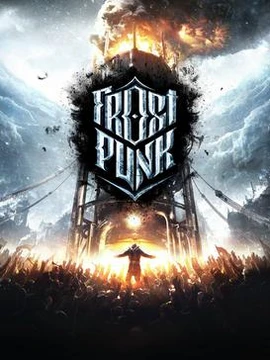
The Council
A fragile democracy forged in ice to decide the fate of humanity's last hope.
The Council represents a pivotal shift in governance within the City of Frostpunk, emerging as an alternative to the absolute authority of the Commander. Composed of representatives from various societal factions—such as Engineers, Preachers, and Workers—it embodies a democratic attempt to manage the city's survival through consensus rather than decree. This body is not merely a political entity but a desperate mechanism to balance competing needs for fuel, faith, and labor in the face of an encroaching apocalypse.
- Role
- Collective Governing Body
- Affiliation
- The City (Alternative Government Path)
- First Appears
- Frostpunk: The Book of the City (DLC) & Main Game Path
- Status
- Variable (Dependent on Player Choice and Survivors)
- Composition
- Elected Representatives from Factions
Lore & Background
The existence of the Council fundamentally alters the social fabric of the City. Under its rule, the hierarchy shifts from military command to political negotiation. The Generator remains the heart of the city, but the soul is now divided among the voices in the council chamber. While this path can lead to a more stable and morally grounded society if managed well, it also risks paralysis during crises. The Council's history is one of constant tension between the immediate need for heat and the long-term preservation of human dignity, often forcing members to make impossible compromises that haunt them until their final breath.
In Their Own Story
The wind howled outside the thick walls of the council chamber, a sound that seemed to mock the heated debate within. The Engineer slammed his hand on the table, arguing for the expansion of the Child Labor camps, while the Preacher stood up, her face pale but resolute, citing the sanctity of the soul. 'We are not machines,' she whispered, though the chill in the room made everyone shiver. The Worker representative looked down at his frostbitten hands, realizing that neither argument would warm them if the coal ran out tonight. In this frozen hell, democracy was a luxury they could barely afford, yet it remained their only shield against the darkness.
Reader's Guide
The timeline of the Great Freeze is pieced together from scattered journal entries and the fragmented memories of survivors. It begins with the rapid industrialization of the late 19th century, which inadvertently accelerated global cooling through massive carbon emissions. As temperatures plummeted, nations collapsed into chaos, leading to mass migrations toward the equator before those areas too succumbed to the ice. The final days before the City's construction are marked by desperate expeditions and failed settlements. The Commander's group was among the last organized efforts, utilizing a prototype steam engine to create a mobile shelter that eventually became stationary. Documents found in the ruins suggest that the initial plan was temporary, but the relentless deep freeze forced them to build a permanent structure. As the city grew, so did the need for order. The transition from military rule to the Council reflects the psychological toll of survival; as hope faded, the people demanded a voice in their own fate. The timeline ends not with victory, but with the enduring struggle to keep the Generator running against an eternal winter.
Did You Know?
- The Council path is often considered more difficult for new players due to the slower decision-making process required during crises.
- Representatives in the Council can be removed or replaced if their faction loses faith in them, reflecting the volatile nature of survival politics.
- The existence of the Council implies that the Commander retains some power but chooses to share it, creating a unique hybrid leadership style.
- In many playthroughs, the Council's decisions directly influence whether the city embraces technology or retreats into religious fundamentalism.
More in History & The Great Freeze
Elsewhere in the Frostpunk universe
Spotted an error? Know more?
This is a living reference — every entry is fact-audited, and reader corrections feed straight into our audit queue. Suggest an edit · See this site's audit record