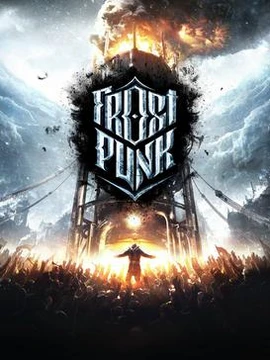
The Last City
Humanity's final fortress against the ice, built upon heat and hope.
The Last City stands as humanity's singular refuge against a frozen apocalypse, serving as the central hub of survival in both the First and Second Ages. Centered around the miraculous Engine, it represents the culmination of scientific desperation and social cohesion required to endure eternal winter. It is not merely a collection of buildings but a living organism sustained by heat, coal, and the will of its inhabitants.
- Type
- Settlement / Survival Hub
- Power Source
- The Generator (Engine)
- Location
- Frozen Wasteland
- Status
- Active (Timeline Dependent)
- Key Structure
- The Engine Core
- Leadership
- The Leader (Mayor/Chancellor)
- Population
- Survivors / Citizens
Lore & Background
Born from the ashes of a collapsing civilization, The Last City emerged when survivors discovered the Engine capable of generating infinite heat. This discovery allowed humanity to establish a permanent foothold in a world where temperatures plummeted below survivable limits for all other settlements. The city became a crucible for morality, forcing leaders to choose between strict order and desperate hope as resources dwindled. Over time, the legacy of this settlement evolved into different paths depending on the choices made by its founders. In some timelines, it stands as a beacon of progress where science triumphs over nature, while in others, it becomes a grim monument to sacrifice. The city's existence proves that humanity can endure even when the world itself rejects them, though the cost is often measured in lost souls and compromised ideals. The structure of society within its walls relies entirely on the Engine's output. If the heat fails, the city dies instantly. This dependency creates a unique cultural pressure where every citizen understands that their labor directly prevents extinction. The city expands outward from the core, with districts dedicated to industry, housing, and research, all orbiting the central pillar of warmth.
In Their Own Story
The wind howled outside the iron gates, carrying shards of ice like shrapnel. Inside, the air smelled of coal dust and unwashed bodies, but it was warm. A young engineer wiped grease from his forehead, staring at the glowing core of the Engine. It hummed a low, steady note that vibrated in their chest. Beyond the perimeter walls, nothing moved but snow. Here, amidst the steam and shadows, life persisted. They were not just surviving; they were holding back the dark.
Reader's Guide
The Last City functions as the central hub of survival in a world consumed by ice. It is not merely a location but a living system requiring constant maintenance to prevent extinction. The Engine at its heart provides heat, which powers machinery and keeps citizens from freezing instantly. Without this thermal core, the settlement collapses within hours. Survival depends on resource management and social cohesion. Leaders must balance hope with order, allocating coal for warmth while ensuring workers remain productive. Decisions made here ripple outward, affecting morale and efficiency. The city grows through construction of districts like residential zones or workshops, each serving a vital purpose in the chain of life. Ultimately, this settlement is wielded by the Leader and sustained by every citizen who labors within its walls. It represents humanity's collective will to endure against impossible odds. Laws are written to maintain structure when desperation threatens to tear society apart. Every brick laid is a defiance of nature.
Did You Know?
- The city's name can change based on the decisions made by the Leader during construction.
- It relies entirely on one heat source, making the Generator its most critical asset.
- Children born within its walls often never experience natural sunlight or true warmth.
- Its survival dictates whether humanity has a future in the Second Age.
More in Blueprints & Technologies
Elsewhere in the Frostpunk universe
Spotted an error? Know more?
This is a living reference — every entry is fact-audited, and reader corrections feed straight into our audit queue. Suggest an edit · See this site's audit record