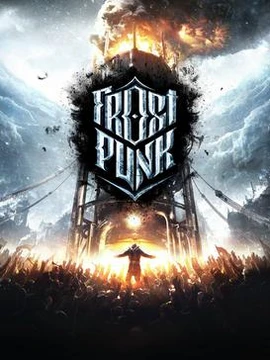
Council of Elders
Experience guides the hand that steers the city through the storm.
The Council of Elders stands as a pillar of governance within the City, representing the experienced survivors who prioritize stability above all else. Composed of seasoned leaders and pragmatic advisors, this faction believes that order is the only shield against the freezing chaos outside. They serve as a counterbalance to radical change or religious fervor, advocating for measured progress and strict adherence to established laws.
- Type
- Governing Faction
- Primary Goal
- Stability and Order
- Leader Archetype
- Experienced Survivors
- Affiliation
- City Administration
- Status
- Active
Lore & Background
Born from the necessity of long-term survival, the Council emerged when the City transitioned from mere existence to a structured society. While others look toward faith or labor as the engine of salvation, the Elders argue that wisdom and hierarchy are the true foundations of civilization. They view themselves as the memory of the world before the freeze, tasked with ensuring the mistakes of the past are not repeated. Their influence grows strongest during times of crisis when quick decisions could doom the populace. Unlike idealists who dream of a better tomorrow, the Council focuses on securing today through rigid discipline and resource management. They often clash with those seeking rapid expansion or spiritual transcendence, warning that such ambitions risk fracturing the fragile social contract holding New Home together.
In Their Own Story
Gaslight flickered against the frost-rimed windows of the chamber, casting long shadows over the wooden table. The Mayor sat at the head, but the weight of the room belonged to the three figures in heavy wool coats opposite him. They did not speak of hope or miracles; they spoke of coal reserves and ration schedules. One Elder traced a blueprint with a gloved finger, his voice low and steady. 'A deviation now means death later,' he said. The silence that followed was heavier than the snow outside, pressing against the glass as if waiting for an answer.
Reader's Guide
The Council of Elders operates on a philosophy of strict pragmatism and institutional stability. They believe the Mayor must maintain authority to prevent societal collapse, often demanding resources be allocated toward infrastructure and law enforcement rather than experimental projects. In terms of city laws, their support encourages regulations that enforce discipline and efficiency. Laws related to curfews or mandatory labor shifts align well with their vision. However, they may oppose measures that prioritize comfort over productivity or challenge the chain of command. Morale within the City fluctuates based on how well the Mayor upholds order. If chaos spreads, the Council's influence grows as citizens seek safety in structure. Conversely, if the Mayor becomes too authoritarian without cause, their support may wane due to a loss of trust in the system they helped build.
Did You Know?
- The Council often serves as the primary source of legal expertise within the City administration.
- Their members are typically depicted wearing formal attire distinct from the heavy work gear of laborers.
- They prioritize long-term planning over immediate emotional gratification for the populace.
- In times of extreme scarcity, they advocate for strict rationing to ensure survival.
Frequently Asked Questions
Who are the Council of Elders?
The Council consists of experienced survivors who act as the governing backbone of the City, prioritizing order above all else. They represent a pragmatic approach to leadership that values stability over risky experimentation.
What is their main function in society?
Their role is to serve as a stabilizing force against radical changes or religious extremism within the population. By enforcing strict laws and measured progress, they aim to keep the administration grounded in reality.
What drives their decision-making process?
Experience guides their choices, as they believe past lessons are crucial for navigating the freezing storm outside. They consistently advocate for policies that maintain cohesion rather than those that might inspire hope but threaten safety.
Do they support religious movements in the City?
No, they typically stand in opposition to fervent religious groups that seek to disrupt established order. The Council views such movements as potential threats to the disciplined structure required for survival.
What is their ultimate goal for the survivors?
Their primary goal is ensuring long-term stability so the City does not fall into chaos during the crisis. They believe that only through strict adherence to rules can humanity withstand the freezing world.
More in Ideologies & Factions
Elsewhere in the Frostpunk universe
Spotted an error? Know more?
This is a living reference — every entry is fact-audited, and reader corrections feed straight into our audit queue. Suggest an edit · See this site's audit record